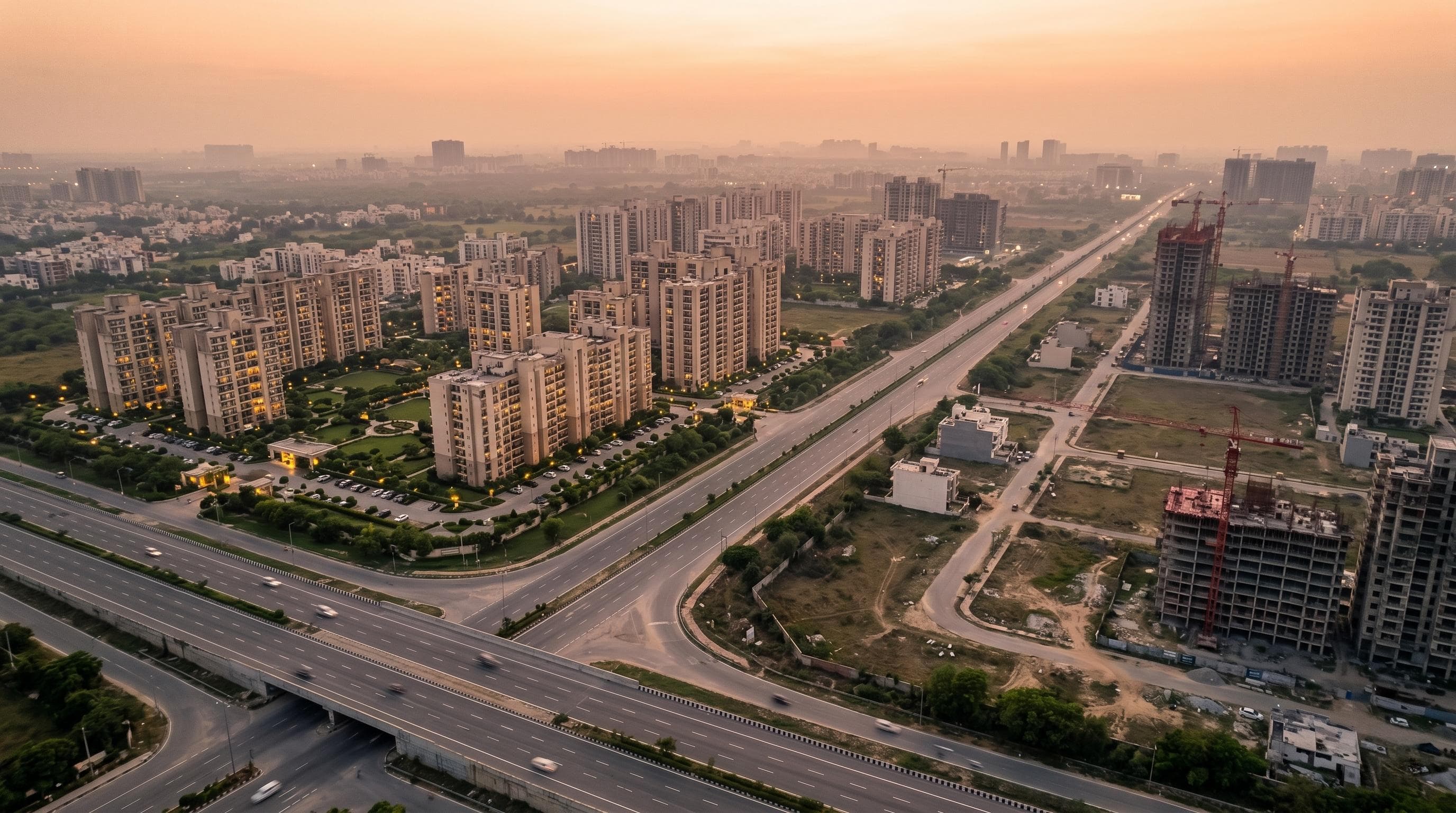

The Real Estate (Regulation and Development) Act, better known as RERA, has fundamentally changed how property transactions work in Gurgaon. In Haryana, it is enforced through HRERA, and its scope covers any project above 500 square metres or more than eight units. Since RERA took hold, project delays have dropped from around 80 percent of cases to under 20 percent today. That is a meaningful shift.
In 2026, as property prices along the Dwarka Expressway push past Rs 11,000 per sq ft, RERA is no longer just a registration number you check once and forget. It is an active framework designed to prevent fraud and ensure that buyer money is actually spent on building the home it was collected for. Understanding how to use it is now a basic requirement for any serious buyer.
What Developers Are Required to Do Under HRERA
Before you put money into any project, verify that the promoter is meeting these obligations. They are not optional courtesies; they are legal requirements.
- 70% Escrow Rule: Developers must deposit 70 percent of all buyer funds into a dedicated account used exclusively for construction and land costs. This is the single most important protection against fund diversion.
- Quarterly Progress Reports: Promoters are required to upload QPRs and annual financial audits on the public HRERA portal. If those reports are not there, that tells you something.
- Payment Cap Before Agreement: Developers cannot legally collect more than 10 percent of the property cost before a formal sale agreement is registered. Anything above that, before signing, is a violation.
- Defect Liability for Five Years: Builders are responsible for fixing any structural defects that surface within five years of possession, at no additional cost to the buyer.
- Penalties for Non-Compliance: Violations can attract fines up to 10 percent of the total project cost or Rs 10,000 per day of delay, whichever is applicable.
The 2026 RERA Checklist: What to Verify on the Portal
Use the haryanarera.gov.in portal to run every shortlisted project through this checklist before you commit a rupee.
| Checklist Item | What to Verify | Why It Matters |
|---|---|---|
| Project Registration | Valid HRERA number (e.g., RC/REP/GGM/2026/XXXX) | Ensures legitimacy. Unregistered sales are illegal. |
| Approvals and Documents | Land title, layout plans, and DTCP NoCs | Prevents title disputes, which made up 40% of NCR cases historically. |
| Financial Health | 70% escrow proof and current QPRs | Protects your payments from being redirected to other projects. |
| Agreement Terms | Standard BBA format with interest on delays at MCLR+2% | Gives you the right to exit with a full refund plus interest if the project is delayed. |
| Agent Status | Broker's HRERA registration ID | Avoids exposure to unlicensed middlemen who operate outside regulatory oversight. |
Red Flags That Should Make You Walk Away
A valid RERA number is necessary but not sufficient. Even registered projects can be in trouble. Watch for these warning signs.
- Missing QPRs for Two Consecutive Quarters: Gaps in progress reports are rarely accidental. They usually signal a cash-flow problem on the developer's end.
- Demands for Unspecified External Development Charges: If a developer asks for EDC amounts that were not in the original agreement and cannot point to a clause that justifies them, that is a violation worth escalating.
- Site Layout Differs from Sanctioned Plans: If what you see on the ground does not match the approved plans on the HRERA portal, you are legally entitled to a full refund. Do not let a developer explain that away with vague reassurances.
How Realty Canvas Handles RERA Due Diligence for You
Most buyers should not need a law degree to feel confident about a property purchase. Realty Canvas acts as your digital watchdog through the entire process.
- Automated Due Diligence: We cross-reference 30-year title searches with live 2026 RERA filings so you get a complete legal picture upfront, not after you have already paid.
- Milestone Tracking: Our platform flags you instantly if a developer misses a registered construction milestone, giving you time to act before a small delay becomes a serious problem.
- Legal and Refund Support: If a project fails compliance, our experts walk you through the HRERA complaint process to secure an exit or refund with as little friction as possible.
If you want a clear read on the legal standing of a project you are considering, book a free consultation with a Realty Canvas expert and we will pull the data for you.